
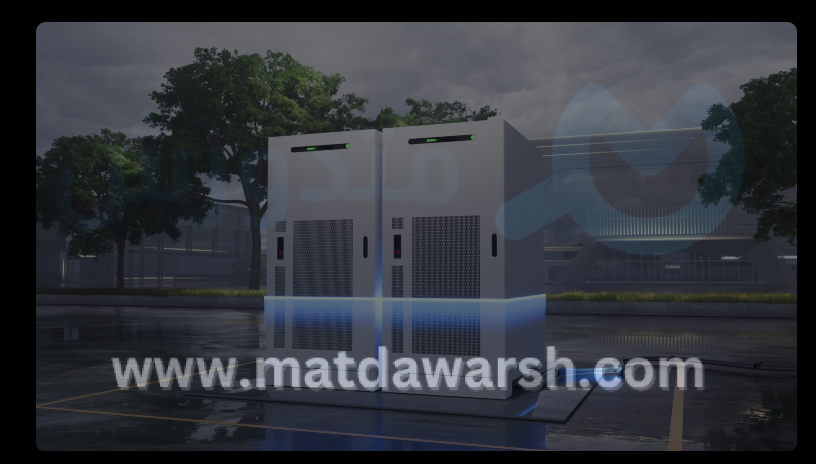
Check efficiency at partial loads, voltage range, module redundancy and field replacement procedures. This is a familiar challenge in public charging projects, where decisions made early can restrict operation for years. Failures usually develop at the interface between otherwise competent teams. Reviewing the actual service environment is often more revealing than collecting another impressive efficiency figure.
Model Driver Dwell Time
A commuter who parks for eight hours and a highway driver stopping for twenty minutes have different needs. Start with vehicle arrivals, expected dwell, battery state and local traffic patterns. Installing the highest-powered equipment everywhere can leave expensive infrastructure underused. The useful measure is energy delivered per visit, not the equipment nameplate alone.
Keep Vehicle Limits in View
Charging power is negotiated between station and vehicle and typically changes during the session. Battery temperature, state of charge and model-specific acceptance limits affect the result. Peak connector ratings should therefore be accompanied by realistic charging curves. Operators can improve trust by publishing clear guidance without promising the same speed to every driver.
For a broader technical starting point, compare an EV charging power module with the conditions actually documented in the proposed project. Check efficiency at partial loads, voltage range, module redundancy and field replacement procedures.
Design the Parking Experience
Bay geometry, curb access, connector reach and safe pedestrian routes affect whether people can use the equipment. Accessibility requirements differ by jurisdiction and should be checked before paving work starts. An efficient electrical drawing cannot compensate for a cable that fails to reach a vehicle port. Include commercial vans and unfamiliar drivers in site tests.
Component compatibility cannot be inferred from a similar-looking cabinet.
Consider Queue and Power Sharing
Several occupied connectors may share one power pool. That can improve utilization, but site economics depend on whether the resulting waiting time is acceptable. Use an arrival model rather than averaging all power across all bays. High peak capacity is useful only when the station can allocate it at the moments customers need it.
Plan Maintenance at Opening
A public station requires safe isolation, fault response, spare-parts logistics and clear ownership of customer complaints. Remote diagnostics save time only if someone acts on them. Weather exposure and daily cable handling create practical service demands. Contracts should state target response times and what constitutes a restored charging session.
The design review for an EV charging power module should be supported by evidence tied to the delivered configuration. Specify module-level diagnostics and tested operating envelopes.
Test a Range of Vehicles
A single vehicle completing a demonstration charge does not establish operational compatibility. Commissioning should cover relevant voltage classes, connectors and realistic state-of-charge conditions. Check that chargers recover appropriately from interrupted sessions. Record delivered power and error behavior so future failures can be compared with the handover baseline.
Readers comparing specifications can review information about EV charging power module as context, then verify site-specific claims with drawings, tests and commercial terms.